The Old 401(k) Problem: What Most Americans Don't Know
Job-hopping has become the new normal in today's economy. But while changing employers can advance your career, it often leaves a trail of forgotten 401(k) accounts that silently drain your retirement potential. These orphaned accounts aren't just a minor inconvenience - they represent a significant obstacle on your path to financial freedom. With each forgotten account, you're likely paying duplicate administration fees, missing optimization opportunities, and complicating your retirement strategy.
Americans now change jobs every 4.2 years on average, according to the Bureau of Labor Statistics. This employment pattern creates a scattered retirement landscape where your hard-earned money gets distributed across multiple platforms, investment strategies, and fee structures. Without a coherent strategy for these old accounts, you're essentially letting your retirement savings drift without direction. The simplest solution often involves consolidation, but knowing exactly where to move these funds requires understanding all available options - including traditional IRAs, Roth conversions, and even alternative investments like Gold IRAs for your old 401(k) funds.
Why Forgotten 401(k)s Cost You Thousands Each Year
The financial impact of neglected 401(k) accounts goes far beyond mere inconvenience. These forgotten accounts typically charge between 1-2.5% in annual fees - significantly higher than what you'd pay with many IRA options. On a $100,000 balance, this difference can mean paying $1,000-2,500 per year instead of $200-500 with a low-cost IRA provider. Over a 20-year period, these excessive fees can erode your retirement savings by $50,000 or more due to both direct costs and the compound growth you miss on that money.
Beyond the obvious fee disadvantage, scattered accounts typically offer limited investment options compared to IRAs, which give you access to virtually the entire investment universe. Most employer plans restrict you to 15-20 pre-selected funds, while an IRA lets you choose from thousands of ETFs, mutual funds, individual stocks, bonds, and even alternative investments like precious metals. This restriction not only limits your diversification options but can trap you in underperforming investments with no alternatives within the plan.
Perhaps the most overlooked cost comes from administrative complexity. When your retirement assets are spread across multiple platforms, rebalancing becomes nearly impossible, tax planning grows exponentially more difficult, and required minimum distributions (RMDs) turn into a logistical nightmare once you reach age 73. This complexity often leads to suboptimal investment allocations and potentially costly tax mistakes that further diminish your retirement resources.
The Average American Has 3-5 Old 401(k)s: Are You One of Them?
- 66% of Americans don't know they can consolidate old 401(k)s into a single account
- Nearly 25 million Americans have left at least one 401(k) behind when changing jobs
- The average forgotten 401(k) balance is approximately $55,400
- Only 6% of employees choose to roll their 401(k) into their new employer's plan
- An estimated $1.35 trillion sits in forgotten or sub-optimized retirement accounts
The statistics paint a clear picture: retirement account fragmentation has become an epidemic. Most professionals focus intensely on their current employer's retirement benefits while neglecting accounts from previous positions. This pattern creates a dangerous blind spot in your financial planning. Without a consolidated view of your retirement assets, making informed decisions about contribution rates, investment allocations, and retirement timelines becomes nearly impossible.
This fragmentation particularly affects mid-career professionals who are entering their peak earning years. Just when your capacity to build wealth is reaching its maximum, having your retirement foundation scattered across multiple platforms creates unnecessary friction in your wealth-building machine. The professionals who achieve financial independence most efficiently are typically those who take decisive action to consolidate these accounts into a coherent, manageable strategy - whether that's through traditional IRAs, Roth conversions, or alternative options like Gold IRAs for those seeking portfolio diversification.
5 Options for Your Old 401(k) Money
When you leave an employer, you face a critical decision about what to do with your accumulated retirement savings. Each option comes with distinct advantages and potential drawbacks that can significantly impact your journey to financial freedom. Understanding these choices fully is essential before making any moves, as the wrong decision could cost you thousands in unnecessary taxes, penalties, or missed growth opportunities. Let's examine each option in detail to determine which path aligns best with your financial objectives.
1. Keep Your Money With Your Former Employer
Leaving your 401(k) with your previous employer requires the least immediate effort, but this convenience comes with significant long-term costs. Most plans allow former employees to maintain accounts with balances over $5,000, though some may force smaller accounts into an IRA or even cash them out. While this approach requires no paperwork or immediate decisions, it can lead to portfolio neglect, limited investment options, and potentially higher fees than what you'd pay elsewhere.
The primary advantage is maintaining access to institutional-class funds with lower expense ratios than their retail counterparts, though this benefit typically doesn't outweigh the disadvantages for most professionals. You'll also lose the ability to take loans from the plan once you're no longer an employee, and your communication from the plan administrator will often decrease, making it easier to overlook this important asset. This option makes sense primarily for those with access to exceptionally low-cost plans with outstanding investment options or those who need a short-term solution while evaluating other alternatives.
2. Roll Your 401(k) into Your New Employer's Plan
Consolidating your old 401(k) into your current employer's plan offers significant advantages for simplifying your retirement strategy. This option provides the convenience of managing all your workplace retirement savings in one location, potentially streamlining your investment decisions and reducing administrative hassle. Many professionals appreciate having their retirement assets visible alongside their current contributions, creating a more cohesive picture of their progress toward financial independence.
If you're considering this option, verify that your new plan allows incoming rollovers, as not all do. You'll also want to carefully compare investment options and fee structures between your old and new plans before proceeding. This approach works best for professionals with strong new employer plans that offer low-cost index funds and reasonable administrative fees. However, you may sacrifice investment flexibility compared to an IRA, as even the best employer plans typically offer a limited menu of investment options.
3. Transfer Your 401(k) into a Traditional IRA
Rolling your old 401(k) into a traditional IRA represents the most flexible option and is generally considered the simplest move for most professionals seeking financial independence. This direct transfer maintains your tax-deferred status while opening up virtually unlimited investment possibilities. With a traditional IRA, you can invest in individual stocks, bonds, ETFs, mutual funds, and even alternative assets like real estate investment trusts - options rarely available in employer-sponsored plans.
The administrative process is straightforward: you open an IRA with your chosen financial institution, request a direct rollover from your 401(k) administrator, and the funds transfer without triggering taxes or penalties. This tax-neutral approach preserves your entire retirement balance while giving you complete control over investment selections and costs. Many leading brokerages offer commission-free trading and zero-fee account maintenance, potentially saving you thousands compared to typical 401(k) administrative fees.
For professionals building toward financial independence, the traditional IRA rollover provides the perfect balance of simplicity, flexibility, and tax efficiency. You gain the ability to consolidate multiple old accounts into a single, easily managed portfolio with potentially lower costs and greater investment selection. This option works especially well for those who want to take personal control of their retirement destiny rather than remaining tied to employer-selected investment menus.
4. Convert to a Roth IRA (Tax Implications Explained)
Converting your old 401(k) to a Roth IRA represents a strategic long-term move that requires careful tax planning. Unlike the tax-free rollovers discussed above, this conversion triggers immediate taxation on the entire converted amount since you're moving from a pre-tax account to an after-tax account. The converted amount adds to your taxable income for the year, potentially pushing you into higher tax brackets and creating a substantial tax bill.
Despite the upfront tax cost, Roth conversions offer compelling advantages for those with long investment horizons. All future growth and qualified withdrawals become completely tax-free, creating a powerful tax-advantaged growth vehicle. This approach particularly benefits professionals who expect to be in higher tax brackets in retirement or who want to create tax diversification within their retirement portfolio. Many financial independence enthusiasts strategically convert portions of their traditional accounts during lower-income years to manage the tax impact while building tax-free retirement assets.
The ideal candidates for Roth conversions include professionals who can pay the conversion taxes from non-retirement funds, have at least 5-10 years until needing the money, and either expect higher future tax rates or want to eliminate required minimum distributions from these assets. For those uncertain about future tax scenarios, partial conversions over several years can create tax diversification while spreading out the tax impact.
5. Cash Out Your 401(k) (And Why This Could Cost You 40%)
Cashing out your old 401(k) is almost always the worst option for your financial future, though nearly 31% of job-changers choose this path according to Fidelity research. When you take a distribution rather than rolling over the funds, you face an immediate financial triple-whammy: income tax on the full amount, a 10% early withdrawal penalty if you're under 59½, and the permanent loss of tax-advantaged growth potential on those funds.
The math is brutal: a $50,000 cash-out could trigger $12,000 in federal income tax (assuming a 24% bracket), $5,000 in early withdrawal penalties, and potentially state taxes depending on your location. This means you might receive only $30,000-$33,000 of your hard-earned retirement savings. Beyond the immediate tax hit, the long-term opportunity cost is even more devastating. That $50,000, if left invested for 20 years at a 7% average return, would grow to over $193,000 - meaning your decision to cash out could ultimately cost you over $160,000 in retirement wealth.
The only scenario where cashing out might be justifiable is during genuine financial emergencies with no other resources available. Even then, consider taking only what's absolutely necessary and rolling over the remainder to preserve as much retirement potential as possible. For professionals committed to achieving financial independence, treating old 401(k)s as anything other than sacred retirement funds fundamentally undermines your long-term financial security.
What Is a Gold IRA and Why Consider It?
A Gold IRA represents an alternative retirement account that allows you to hold physical precious metals instead of traditional paper assets like stocks and bonds. Technically classified as a self-directed IRA, this specialized vehicle maintains all the tax advantages of conventional retirement accounts while providing direct ownership of gold, silver, platinum, and palladium in specific IRS-approved forms. For professionals seeking portfolio diversification beyond traditional markets, Gold IRAs offer a unique avenue to incorporate hard assets within your tax-advantaged retirement strategy.
Unlike conventional IRAs where your investments exist as electronic entries, Gold IRAs require physical precious metals to be stored in IRS-approved depositories under strict custody and insurance requirements. This tangible asset ownership provides a distinct alternative to market-correlated investments that can help protect a portion of your retirement against inflation, currency devaluation, and financial system instability. While not designed to replace traditional retirement accounts, Gold IRAs can complement them by adding an uncorrelated asset class with thousands of years of historical value preservation.
Physical Gold vs. Paper Gold: Important Differences
Many investors don't realize the fundamental difference between owning physical gold in a Gold IRA versus gold-related securities in a traditional IRA or 401(k). Physical gold ownership through a Gold IRA means you possess specific, identifiable metal bars or coins held in segregated storage with your name attached. This direct ownership eliminates counterparty risk - you're not relying on a financial institution's promise or a company's performance to maintain your gold's value.
In contrast, "paper gold" investments like gold ETFs, mining stocks, or gold mutual funds represent financial instruments that track gold's price but don't confer actual metal ownership. These securities introduce additional layers of market risk, management risk, and potential correlation with broader market movements during financial crises - precisely when gold's diversification benefits are most needed. While paper gold offers convenience and liquidity, it cannot provide the systemic risk protection that physical gold ownership delivers during extreme economic scenarios.
The distinction becomes particularly important for professionals approaching financial independence who need to protect accumulated wealth rather than simply grow it. Physical gold has maintained purchasing power through currency collapses, hyperinflation, and banking crises throughout history - scenarios where paper promises frequently fail. For the portion of your portfolio dedicated to wealth preservation rather than growth, physical ownership through vehicles like Gold IRAs offers insurance-like benefits that paper alternatives simply cannot match.
How Gold IRAs Work Compared to Regular IRAs
Gold IRAs operate under the same IRS regulations as traditional IRAs regarding contribution limits, distribution rules, and tax benefits, but with significant operational differences. While regular IRAs are typically held at banks or brokerages that handle all administrative functions internally, Gold IRAs require a three-party structure. You'll need a custodian (the financial institution that maintains the account), a metals dealer (who sources IRS-approved precious metals), and a depository (the secure facility where your metals are stored).
This structure creates additional complexity compared to traditional IRAs. Your custodian handles all IRS reporting and ensures transactions comply with regulations, but doesn't typically sell the metals directly. You'll select a metals dealer to purchase from, then direct your custodian to complete the transaction and arrange shipment to your chosen depository. This multi-party arrangement typically results in higher setup and maintenance fees than traditional IRAs, with annual costs often ranging from $200-$300 for account maintenance plus storage fees based on your holdings.
Despite these additional complexities, many professionals find Gold IRAs valuable for specific portions of their retirement portfolio. The account allows you to own physical precious metals while maintaining tax-advantaged status, creating a unique combination of tangible asset ownership with IRA tax benefits. For those concerned about long-term monetary policy, inflation risks, or seeking non-correlated assets, the additional administrative requirements may be a reasonable tradeoff for the diversification benefits.
The Tax Benefits of Gold IRAs
Gold IRAs offer the same tax advantages as their conventional counterparts. Traditional Gold IRAs provide tax-deferred growth with contributions potentially tax-deductible, while Roth Gold IRAs offer tax-free growth and qualified withdrawals. This tax treatment applies despite the unusual asset class - physical gold and other precious metals enjoy the same tax-advantaged growth as stocks and bonds when held in these specialized accounts. For more insights on handling retirement accounts, you might consider exploring what to do with your 401(k) when you change jobs.
For high-income professionals in peak earning years, the tax deferral of a Traditional Gold IRA can provide immediate tax relief while building a portion of their portfolio in assets historically resistant to inflation. Meanwhile, the tax-free growth potential of a Roth Gold IRA creates an opportunity to accumulate precious metals that may be accessed completely tax-free during retirement - particularly valuable if metals appreciate significantly or if tax rates rise substantially in the future.
The Gold IRA Rollover Process Made Simple
Transferring your old 401(k) to a Gold IRA follows a specific process designed to maintain tax advantages while converting paper assets to physical precious metals. The procedure requires careful attention to IRS regulations to avoid triggering unnecessary taxes or penalties. The most important rule to remember is that you should never take personal possession of the funds - this would trigger immediate taxation and potential early withdrawal penalties.
Instead, the process involves a direct transfer where your 401(k) administrator sends funds directly to your new Gold IRA custodian without you touching the money. This trustee-to-trustee transfer preserves the tax-advantaged status of your retirement assets while allowing you to redirect them into physical precious metals. Most Gold IRA companies provide step-by-step guidance through this process, though the specific requirements may vary slightly depending on your current 401(k) provider's policies.
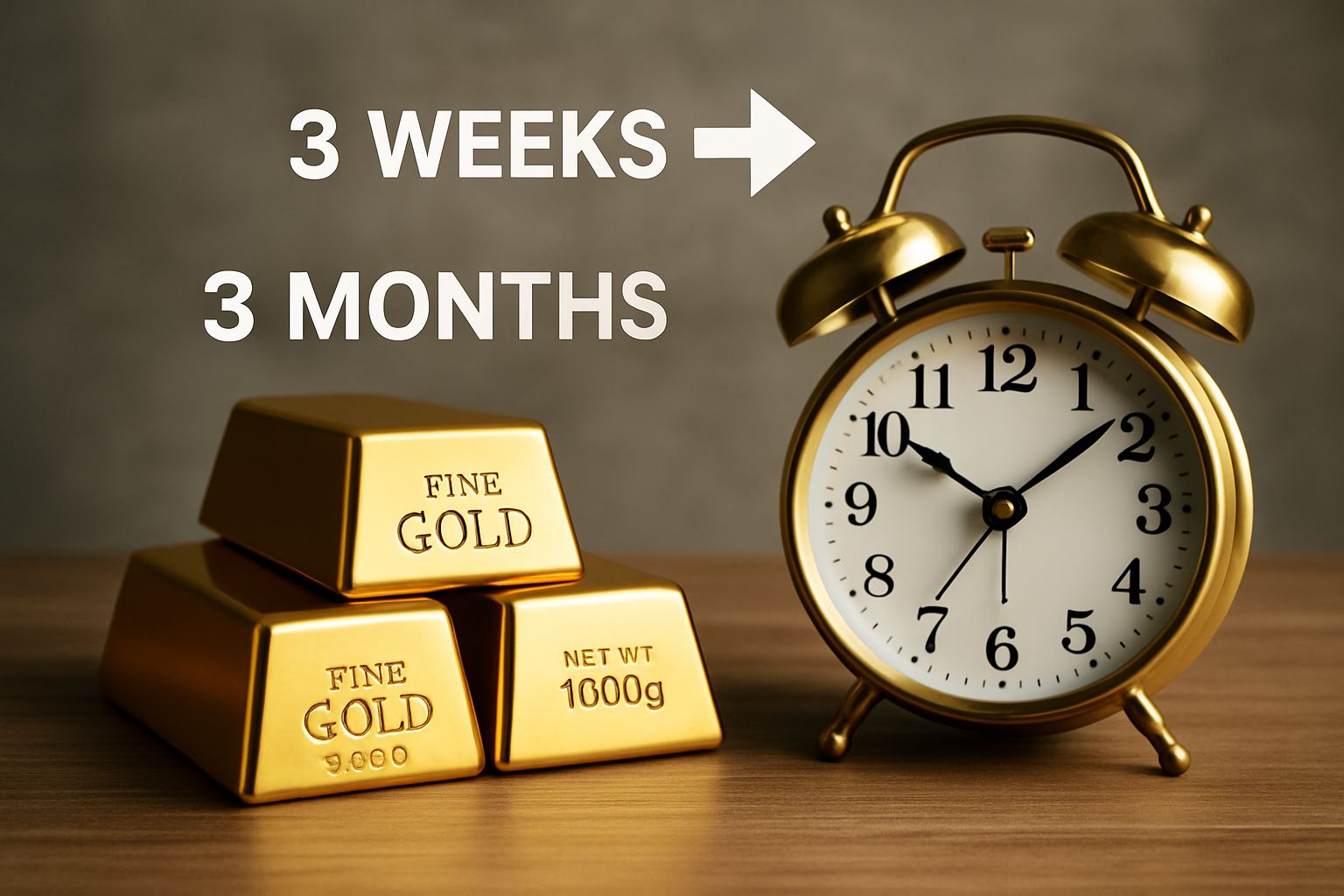
The entire rollover typically takes 2-3 weeks from initiation to completion, with the majority of time spent waiting for your former employer's plan administrator to process the transfer request. Once funds arrive at your Gold IRA custodian, you'll work with them to select and purchase specific precious metals for your account, which will then be transferred to a secure depository for storage. Throughout this process, maintaining clear communication with both your former plan administrator and your new custodian helps ensure a smooth transition.
Step-by-Step Instructions for a Penalty-Free Rollover
Begin by selecting a reputable Gold IRA custodian who specializes in self-directed IRAs for precious metals. Look for companies with established track records, transparent fee structures, and educational resources rather than high-pressure sales tactics. Once you've selected a custodian, they'll help you complete new account paperwork and provide transfer forms specific to your current 401(k) provider.
Request a "direct rollover" or "trustee-to-trustee transfer" rather than taking a distribution. This critical distinction ensures your funds move directly from your 401(k) to your new Gold IRA without triggering taxes. Your current 401(k) administrator may require specific documentation, including a letter of acceptance from your new custodian confirming they'll receive the rollover funds. Some plans may send a check made payable to your new custodian "for benefit of" (FBO) your name, which you'll forward to your Gold IRA provider without endorsing.
After your funds arrive at the new custodian, you'll receive notification that you can begin selecting precious metals for purchase. Work with your chosen dealer to select IRS-approved coins or bars that meet purity requirements (generally .9995 for gold). Your custodian will handle the purchase transaction and arrange secure transport to your chosen depository, where your metals will be held in segregated storage specifically allocated to your account.
Required Minimum Distributions for Gold IRAs
Traditional Gold IRAs, like all traditional retirement accounts, are subject to Required Minimum Distributions (RMDs) beginning at age 73. This requirement creates unique considerations for Gold IRA owners, as you'll need to take distributions based on your account value even though your assets are physical metals rather than liquid securities. The IRS doesn't accept metal coins or bars for RMD purposes - distributions must be taken in cash value.
When RMDs begin, you'll have two primary options: either liquidate a portion of your metals to satisfy the distribution requirement or take the distribution from other traditional IRA accounts if you have sufficient funds elsewhere. Many financial independence-minded investors prefer the second approach, preserving their precious metals positions while using more liquid assets from other accounts to satisfy RMD requirements. This strategy allows your Gold IRA to continue functioning as a long-term wealth preservation vehicle even during the distribution phase.
Finding a Trustworthy Gold IRA Company
The Gold IRA industry includes both highly reputable companies and unfortunately, some aggressive marketers with questionable practices. To identify trustworthy partners, prioritize companies with established histories (10+ years in business), transparent fee structures, educational rather than fear-based marketing approaches, and strong independent reviews across multiple platforms. Beware of companies offering "free" storage or suspiciously low fees, as these often mask higher markups on the metals themselves.
The best companies will encourage you to take your time making decisions, provide educational resources without pressure tactics, and clearly disclose all costs involved in establishing and maintaining a Gold IRA. They should willingly connect you with their recommended custodians and storage facilities directly so you can verify credentials and ask questions about the entire process. Remember that reputable dealers make reasonable margins on precious metals transactions without needing to hide fees or use high-pressure tactics.
Is a Gold IRA Right For Your Retirement Strategy?
While Gold IRAs offer unique benefits, they're not universally appropriate for every professional's retirement strategy. The decision to allocate retirement assets to physical precious metals depends on your overall financial situation, investment philosophy, time horizon, and specific concerns about economic conditions. Most financial advisors suggest that precious metals should represent a modest portion of your overall retirement strategy - typically between 5-15% of total assets - rather than dominating your portfolio.
Gold IRAs work best as a complement to traditional retirement accounts rather than a replacement. Their primary value comes from portfolio diversification through assets that historically move independently from stocks and bonds, potentially providing stability during market volatility. For professionals approaching financial independence with substantial accumulated assets, this diversification benefit can be particularly valuable as a wealth preservation strategy rather than a growth-maximizing approach.
The ideal candidate for a Gold IRA typically has a substantial existing retirement portfolio, harbors specific concerns about long-term inflation or currency stability, and seeks tangible assets as part of a comprehensive wealth preservation strategy. If your primary retirement concern is maximizing growth and you have decades until retirement, traditional investment vehicles with their lower fees and administrative simplicity may better serve your needs than allocating significant resources to physical precious metals.
Who Benefits Most From Gold IRAs
Gold IRAs offer particular advantages for professionals who already have substantial retirement savings and seek to diversify beyond traditional financial assets. They're especially valuable for those with strong concerns about long-term monetary policy, inflation risks, or potential financial system instability. If you've already maximized tax-advantaged retirement contributions and built a strong foundation in traditional assets, allocating a portion to physical precious metals can provide unique portfolio protection.
High-income professionals approaching retirement often find Gold IRAs attractive as they shift from wealth accumulation to preservation strategies. The tangible nature of precious metals provides psychological comfort for those concerned about market volatility in their final working years when portfolio recovery time is limited. Additionally, those with significant traditional IRA assets may find tax advantages in converting portions to physical gold, particularly during market downturns when conversion tax costs may be lower.
When Traditional or Roth IRAs Are Better Options
For early-career professionals focused on maximizing growth potential, traditional stock and bond investments through conventional IRAs typically offer superior long-term returns with significantly lower fees and administrative complexity. The historical performance of diversified equity portfolios has substantially outpaced gold over most 30+ year periods, making conventional investment vehicles generally more appropriate for those with decades until retirement. Additionally, the higher fee structure of Gold IRAs creates a performance drag that compounds over time - particularly meaningful for younger investors.
Those with limited retirement savings should prioritize building core retirement assets through low-cost index funds or target-date funds before considering specialized vehicles like Gold IRAs. The simplicity, lower costs, and growth potential of conventional retirement accounts provide substantial advantages for those still in the accumulation phase. Consider precious metals allocations only after establishing a solid foundation in traditional retirement vehicles and ensuring you're maximizing available tax-advantaged contribution opportunities.
Real Returns of Gold vs. Stock Market Over Time
Historical Performance Comparison (1971-2020)
S&P 500 Average Annual Return: 10.8%
Gold Average Annual Return: 7.9%
Inflation Average Annual Rate: 3.9%
S&P 500 Real Return (after inflation): 6.9%
Gold Real Return (after inflation): 4.0%
While gold has preserved purchasing power against inflation over long periods, it has generally underperformed the stock market in terms of total return. However, this performance comparison doesn't tell the complete story. Gold's primary value comes not from outperforming stocks during normal market conditions, but from its tendency to perform well during specific economic scenarios when traditional investments struggle - particularly during high inflation, currency devaluation, or financial system stress.
This performance pattern makes gold valuable not as a growth-maximizing asset, but as a portfolio stabilizer and diversification tool. During the 2008 financial crisis, for example, gold gained approximately 5% while the S&P 500 lost 37%. Similarly, during the high-inflation period of 1977-1980, gold delivered annualized returns exceeding 35% while traditional investments struggled. These periods highlight gold's potential role as portfolio insurance rather than a primary growth vehicle.
Portfolio Diversification: The 5-15% Gold Rule
Financial advisors typically recommend limiting precious metals exposure to between 5-15% of your total retirement portfolio. This allocation provides meaningful diversification benefits while preventing overexposure to an asset class that produces no income and carries storage costs. The exact percentage should reflect your proximity to retirement, overall risk tolerance, and specific concerns about economic conditions.
Those further from retirement might consider the lower end of this range (5-8%), while professionals within 5-10 years of financial independence might justify allocations toward the upper end (10-15%) as wealth preservation becomes increasingly important. This moderate allocation provides meaningful portfolio protection during economic stress scenarios without significantly sacrificing long-term growth potential from your core investments in productive assets.
Hidden Fees and Costs of Gold IRAs
Understanding the complete fee structure of Gold IRAs is essential for making informed decisions about their role in your retirement strategy. Unlike traditional IRAs, which often feature minimal or zero account maintenance fees, Gold IRAs involve multiple layers of costs that can significantly impact long-term performance. These expenses fall into several categories: setup fees, annual maintenance charges, storage and insurance costs, and transaction expenses including markups on precious metals purchases.
The cumulative impact of these fees means that Gold IRAs typically cost $250-$500 annually regardless of account size, creating a proportionately higher expense ratio for smaller accounts. For example, a $50,000 Gold IRA might incur 1% in annual fees before considering any transaction costs or metal price spreads. This fee structure makes Gold IRAs generally more cost-effective for larger allocations ($100,000+) where the fixed expenses represent a smaller percentage of assets.
Before establishing a Gold IRA, request a complete written fee disclosure from any company you're considering. This should include account setup charges, annual maintenance fees, storage costs, and transaction fees. Additionally, ask for transparent pricing on metals that clearly shows the markup over spot prices. Reputable companies will provide this information willingly, while those reluctant to disclose complete fee structures should be approached with caution.
Setup Fees Compared Across Top Companies
Initial establishment costs for Gold IRAs typically range from $50 to $300 depending on the custodian. These one-time fees cover account setup, verification of your identity, and creation of the necessary legal documentation. Some companies waive these fees for larger initial investments (typically $50,000+), though this "free setup" is often offset through slightly higher metal prices or annual maintenance charges.
Beyond the basic setup fee, you may encounter additional first-year expenses including wire transfer fees ($25-$50), account funding fees, or administrative charges for processing 401(k) rollovers. Request an itemized list of all initial costs before proceeding, as these can vary significantly between providers. The most transparent companies provide a single, consolidated setup fee rather than multiple smaller charges that collectively add up to a larger amount.
Annual Storage and Insurance Costs
Physical precious metals require secure storage in IRS-approved depositories, creating ongoing expenses that don't exist with traditional paper investments. These facilities charge annual fees based on either a flat rate ($100-$200 annually) or a percentage of assets (typically 0.5-1% annually). Most depositories include insurance coverage in their storage fees, protecting your metals against theft, damage, or loss.
Storage options include segregated storage (where your specific metals are kept separately from other clients' holdings) or allocated storage (where you own specific pieces that are held collectively with other clients' assets of the same type). Segregated storage provides additional security and verification benefits but typically costs 10-30% more than allocated storage. This decision involves balancing cost considerations against your preference for having individually identifiable metals rather than an equivalent share of a larger holding.
Markup Costs When Buying Gold Coins and Bars
The most significant yet least transparent cost in Gold IRAs comes from the spread between wholesale and retail precious metals prices. Dealers typically charge premiums of 5-10% above spot price for gold coins and 3-6% for gold bars, with even higher markups for silver, platinum, and palladium products. These premiums vary based on product type, market conditions, and purchase quantity, with smaller purchases generally incurring higher percentage markups.
Premium coins like American Eagles and Canadian Maple Leafs command higher markups (often 5-10% over spot) compared to basic bars (typically 3-5% over spot). While these premium coins offer advantages in recognition and liquidity, the higher acquisition cost creates a performance hurdle your metals must overcome before showing positive returns. For long-term holdings, basic bars with lower premiums often provide better value unless you specifically prioritize the potential liquidity advantages of widely recognized coins.
The Best Gold IRA Companies for Your 401(k) Rollover
Selecting the right Gold IRA provider significantly impacts both your experience and long-term investment results. The industry includes companies ranging from highly respected operators with decades of experience to aggressive marketers using fear tactics and hidden fees to maximize profits. The best companies prioritize education over pressure, maintain transparent fee structures, and offer competitive pricing on precious metals rather than relying on excessive markups.
Look for providers who emphasize building long-term relationships rather than maximizing immediate sales. These companies typically provide comprehensive educational resources, encourage questions about their fee structure and business practices, and willingly connect you with their recommended custodians and storage facilities for direct communication. Their representatives should demonstrate deep knowledge about both precious metals and retirement account regulations without resorting to apocalyptic scenarios or political arguments to motivate purchases.
Top 3 Most Reputable Gold IRA Companies
Augusta Precious Metals stands out for its exceptional educational resources, transparent pricing structure, and lifetime customer support. Their approach emphasizes building client knowledge rather than pressuring quick decisions, with dedicated representatives who stay with clients throughout the relationship. Augusta maintains a minimum investment of $50,000, positioning them for serious retirement investors rather than beginners, and their streamlined process focuses exclusively on gold and silver rather than offering numerous alternative products.
Goldco has built a strong reputation through its straightforward approach and excellent customer service, consistently earning high ratings across consumer review platforms. They offer a relatively low minimum investment threshold ($25,000) while providing comprehensive support throughout the rollover process. Goldco distinguishes itself through specialized IRA expertise and strong relationships with custodians that help ensure smooth transactions, though their prices on some premium products run slightly higher than industry averages.
Birch Gold Group offers perhaps the most comprehensive educational approach in the industry, with extensive resources helping clients understand both precious metals and the regulatory aspects of retirement accounts. Their lower minimum investment requirement ($10,000) makes them accessible to a broader range of investors, while their diverse product selection includes all four precious metals approved for IRAs. Birch's representatives are known for consultative approaches rather than sales pressure, though their fee structure is slightly more complex than some competitors. If you're considering options for your old 401(k), you might find this guide on what to do with an old 401(k) useful.
Red Flags to Watch For When Choosing a Company
- High-pressure sales tactics or manufactured urgency to "act now"
- Reluctance to provide complete written fee disclosures
- Promises of "free storage" or suspiciously low fees that mask higher markups
- Recommendations for numismatic or "collector" coins for IRAs (these carry excessive markups)
- Guarantees of specific performance or returns (legitimate companies acknowledge precious metals involve risk)
- Marketing focused primarily on fear, political scenarios, or economic collapse
- Unwillingness to connect you directly with their recommended custodians
Customer Service Comparison
The quality of ongoing support varies dramatically between Gold IRA providers, with significant implications for your long-term experience. The best companies assign dedicated representatives who remain with your account for years rather than transferring you between departments. This relationship-based approach ensures consistent communication and builds institutional knowledge of your specific situation and objectives, creating a significantly more personalized experience than transaction-focused providers.
Evaluate potential providers by testing their customer service before committing. Call with specific questions about fees, processes, and metals selection, noting how thoroughly they answer and whether they provide direct, transparent information or vague responses. Quality providers willingly connect prospective clients with existing customers for references, provide clear timelines for each stage of the process, and maintain regular communication throughout the rollover rather than disappearing once the account is funded.
Alternative Precious Metal IRAs: Beyond Gold
While gold receives the most attention, IRS regulations permit three other precious metals in self-directed IRAs: silver, platinum, and palladium. Each offers distinct characteristics that may complement gold in a diversified precious metals portfolio. Silver, with its dual role in both investment and industrial applications, often shows more volatility than gold but potentially greater upside during certain economic conditions. Platinum and palladium, heavily used in automotive catalytic converters and other industrial processes, provide exposure to different economic factors than gold.
Many professionals pursuing financial independence benefit from including multiple precious metals rather than focusing exclusively on gold. This metals diversification creates exposure to different price drivers and economic relationships. For instance, silver historically outperforms gold during periods of strong industrial growth due to its significant industrial demand component, while platinum and palladium respond to automotive industry trends that may move independently from broader economic conditions affecting gold prices.
Silver IRAs: Higher Growth Potential
Silver offers several distinctive characteristics compared to gold, including greater volatility, stronger industrial demand influence, and historically higher growth potential during certain market conditions. The gold-to-silver ratio (how many ounces of silver equal one ounce of gold) has historically averaged around 60:1 but fluctuates significantly, ranging from under 20:1 to over 100:1 at extremes. These wide variations create strategic opportunities for investors who adjust their precious metals allocations based on this ratio.
Platinum and Palladium Options
Platinum and palladium present unique investment characteristics driven largely by their critical industrial applications, particularly in automotive catalytic converters. These metals typically show lower correlation with gold and silver prices, potentially enhancing portfolio diversification even within your precious metals allocation. Both metals face supply constraints due to concentrated production (South Africa accounts for approximately 75% of platinum mining and Russia produces nearly 40% of palladium), creating potential for significant price volatility based on geopolitical developments.
Take Action: Your 401(k) Rollover Checklist
Successfully transitioning your old 401(k) to any new retirement vehicle requires careful planning and attention to detail. Whether you choose a traditional IRA, Roth conversion, Gold IRA, or another option, following a structured process helps ensure you maintain tax advantages while optimizing your retirement assets. Begin by gathering complete information about your current 401(k), including exact balance, investment holdings, fee structure, and any unique plan provisions that might affect your rollover options.
Contact your former employer's benefits department or plan administrator to request specific rollover procedures and required documentation. Plans vary significantly in their processes - some require only a simple online request while others demand physical paperwork with notarization or specific certification requirements. Understanding these requirements before initiating the process helps prevent delays and potential complications that could extend your rollover timeline.
Determine your strategic objectives before selecting a destination for your old 401(k) funds. Consider your overall retirement timeline, tax situation, desire for investment control, and specific concerns about economic conditions that might influence whether a traditional IRA, Roth conversion, or alternative like a Gold IRA best serves your long-term financial independence goals. This strategic clarity helps you resist making decisions based on sales pressure or temporary market conditions.
Once you've selected your rollover destination, request a direct transfer rather than taking possession of funds yourself. This trustee-to-trustee transfer prevents potential tax complications and eliminates the 60-day redeposit requirement that applies to funds distributed directly to you. Maintain regular communication with both your former plan administrator and your new custodian throughout the process to ensure timely completion of each step.
- Request current 401(k) statement showing exact balance and investment holdings
- Contact plan administrator for specific rollover requirements and forms
- Verify any potential surrender charges or fees for leaving the plan
- Determine whether company stock requires special handling (Net Unrealized Appreciation rules)
- Select appropriate destination account based on your financial strategy
- Request direct trustee-to-trustee transfer to avoid tax complications
- Follow up regularly until confirmation of completed transfer
- Implement your new investment strategy once funds arrive at destination
3 Questions to Ask Before Any 401(k) Rollover
First, ask yourself: "Do I have any unique benefits in my current 401(k) that I can't replicate elsewhere?" Some plans offer institutional-class funds with exceptionally low expense ratios, stable value funds not available to retail investors, or special provisions for company stock that may warrant keeping assets in place. Understanding what you might lose by rolling over helps ensure you're making a fully informed decision rather than simply following general advice.
Second, consider: "What level of investment control and flexibility do I want over these retirement assets?" If you value simplified administration and prefer selecting from a limited menu of professionally curated options, keeping funds in a 401(k) (either your old plan or rolling to a new employer's plan) might align with your preferences. Conversely, if you seek maximum investment flexibility, access to specific asset classes, or the ability to work with particular advisors, IRA options typically provide greater freedom and control.
Important Deadlines to Avoid Tax Penalties
The most critical timeline for 401(k) rollovers involves the 60-day rule for indirect rollovers. If you receive a distribution check from your old plan, the IRS gives you exactly 60 calendar days to deposit those funds into a qualified retirement account before the amount becomes taxable and potentially subject to early withdrawal penalties. This deadline is unforgiving - even depositing on day 61 results in the entire amount being treated as a distribution, potentially creating substantial tax consequences.
For direct rollovers (trustee-to-trustee transfers), no specific deadline applies since you never take possession of the funds. However, many 401(k) administrators impose their own procedural deadlines for submitting paperwork after employment termination. These company-specific timelines typically range from 30-90 days, after which the process may become more complex or require additional documentation. Check your specific plan provisions to identify any such administrative deadlines.
Required Documentation for a Smooth Transfer
Successful rollovers require specific documentation from both your current 401(k) provider and your new account custodian. From your former employer's plan, you'll typically need a distribution request form specifying your intention to roll over rather than take a distribution. Most plans also require proof of identity (copy of driver's license or passport) and sometimes verification of your employment termination date, particularly for recent job changes.
Frequently Asked Questions
The following questions address common concerns professionals have when considering what to do with old 401(k) accounts. These practical considerations can help you navigate specific situations that might affect your decision-making process regarding traditional rollovers, Gold IRAs, and other options for your retirement assets.
Can I roll over multiple 401(k)s into a single Gold IRA?
Yes, you can consolidate multiple old 401(k) accounts into a single Gold IRA through separate rollover transactions. This consolidation simplifies administration while potentially reducing overall fees by maintaining a single account rather than multiple smaller ones. Each 401(k) would follow the same rollover process, with separate transfer requests submitted to each former plan administrator directing funds to your new Gold IRA custodian.
What types of gold can I hold in a Gold IRA?
IRS regulations strictly limit the types of precious metals permitted in self-directed IRAs. For gold, the minimum purity requirement is .9995 (99.95% pure), with a few specific exceptions for certain government-minted coins. Approved gold products typically include American Gold Eagles, Canadian Gold Maple Leafs, Australian Kangaroos, and various gold bars and rounds that meet the purity threshold from approved refiners.
Notably, many common gold products are explicitly prohibited in IRAs, including pre-1933 gold coins, South African Krugerrands, British Sovereigns, and any collectible or numismatic coins. The IRS focuses exclusively on bullion value rather than collectible or numismatic premiums, disqualifying any products where significant value derives from rarity, historical significance, or collector appeal rather than metal content.
How quickly can I access my gold if I need it in an emergency?
Physical gold in an IRA isn't designed for quick liquidity or emergency access - it's structured as a long-term retirement asset with significant restrictions on distributions. Taking possession of gold from your IRA constitutes a taxable distribution subject to income tax and potential early withdrawal penalties if you're under 59½. The process typically takes 1-2 weeks and involves having the depository ship your metals to your custodian, who then processes the distribution to you.
For emergency funds, maintaining accessible cash reserves outside your retirement accounts provides much better liquidity without tax consequences or penalties. Gold IRAs should be viewed as long-term strategic holdings rather than sources of emergency funding. If you anticipate needing access to these funds before retirement age, traditional retirement accounts with more liquid investments might better serve your needs.
Some Gold IRA custodians offer "depository buying" programs where they'll facilitate selling your metals within the depository without requiring physical shipment, potentially expediting the process to 3-5 business days. However, this still constitutes a distribution with all associated tax consequences, and the funds must typically be sent to your registered bank account rather than provided as cash. For more information on managing your retirement accounts, you can explore what to do with your 401(k) when changing jobs.
Are there minimum investment requirements for Gold IRAs?
Most Gold IRA companies establish minimum investment thresholds ranging from $10,000 to $50,000, significantly higher than traditional IRA minimums. These elevated requirements reflect the fixed costs involved in establishing and maintaining precious metals accounts, including storage, insurance, and administrative expenses that make smaller accounts economically impractical for both providers and investors.
What happens to my Gold IRA when I reach retirement age?
When you reach retirement age, Gold IRAs offer the same distribution options as traditional retirement accounts, with some practical differences due to the physical nature of the assets. You can take distributions either by liquidating a portion of your metals (the custodian sells them and sends you the cash proceeds) or by taking "in-kind" distributions where you receive the actual physical metals after paying any associated taxes.
Traditional Gold IRAs are subject to Required Minimum Distributions (RMDs) beginning at age 73, requiring you to withdraw a minimum percentage of your account value annually based on life expectancy tables. Since these distributions must be calculated based on the market value of your metals, your custodian will provide year-end valuations for this purpose. Many investors choose to satisfy RMDs from other more liquid retirement accounts when possible, allowing their precious metals to remain intact in the Gold IRA.
For those who've established Roth Gold IRAs through conversion or contribution, qualified distributions are completely tax-free and no RMDs apply during the owner's lifetime. This creates a powerful opportunity to maintain precious metals as a tax-free asset that can either continue growing untaxed or be distributed without tax consequences when needed during retirement.
When you leave a job, one of the financial decisions you need to make is what to do with your old 401(k). There are several options available, including rolling it over into an IRA, cashing it out, or leaving it with your former employer. Each option has its own benefits and drawbacks. For those considering a rollover, you might want to explore the possibility of a Gold IRA as a way to diversify your retirement portfolio.