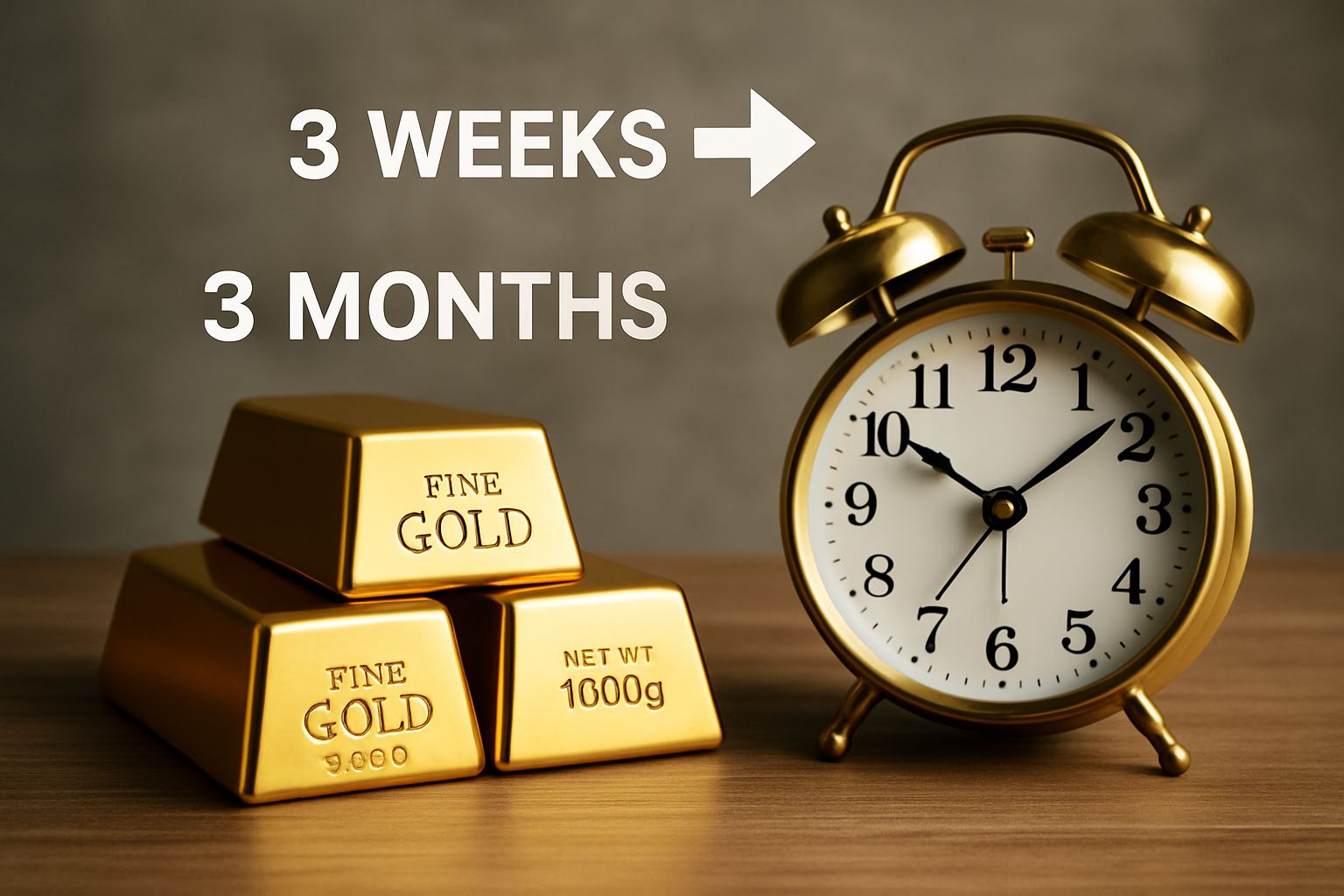
Divorce can devastate retirement plans you've spent decades building. When marriages end, retirement accounts often become the second largest asset to divide after the family home - and possibly the most complex to protect. Gold offers a unique safeguard during these turbulent financial transitions that traditional investments simply can't match.
Your retirement security shouldn't vanish in the wake of a divorce decree or other asset division. Augusta Precious Metals has helped countless individuals preserve their financial future by strategically incorporating gold into their retirement protection strategy. Their specialized approach helps navigate the unique challenges that arise when retirement assets are vulnerable to division.
Why Retirement Assets Are Vulnerable During Divorce
Retirement accounts represent years of disciplined saving and compound growth - yet these carefully built nest eggs become remarkably fragile during divorce proceedings. Traditional retirement assets like 401(k)s, IRAs, and pension plans fall under the category of marital property in most states, making them subject to division regardless of whose name appears on the account. This vulnerability extends beyond just the division process itself.
Market timing creates another layer of risk. Divorces rarely occur during ideal market conditions, forcing liquidation or transfers when investment values may be temporarily depressed. This unfortunate timing can lock in losses that might have been temporary in more stable personal circumstances, effectively creating a permanent reduction in retirement security that extends decades beyond the divorce itself.
The Hidden Costs of Splitting Traditional Retirement Accounts
The division of retirement accounts triggers a cascade of expenses that many fail to anticipate. Attorney fees for specialized retirement account division can run thousands of dollars beyond standard divorce costs. Account administrators typically charge separate fees for processing division orders, while investment advisors may collect transaction costs for liquidating positions. These combined expenses often reduce the actual value received by 3-8% before taxes are even considered - a significant erosion of hard-earned retirement savings that rarely appears in initial divorce negotiations.
QDRO Process: Time, Expense, and Value Fluctuations
Qualified Domestic Relations Orders (QDROs) - the court orders required to divide many retirement accounts - represent one of the most frustrating aspects of divorce financial planning. These specialized documents often take 3-6 months to process after divorce finalization, creating a dangerous limbo period where accounts remain undivided despite legal agreements. During this processing window, market volatility continues affecting account values, potentially creating significant discrepancies between the agreed division and the actual amounts transferred.
The QDRO process also introduces substantial costs beyond typical divorce expenses, with specialized attorneys charging $1,000-$2,500 per QDRO document. For couples with multiple retirement accounts, these costs multiply quickly. Unlike gold assets which can be physically divided or valued precisely at the moment of agreement, paper retirement assets remain subject to these administrative delays and expenses that further diminish their final value.
Tax Penalties That Can Devastate Your Nest Egg
The tax implications of dividing retirement accounts create perhaps the most significant risk to long-term financial security. While QDROs protect against immediate taxation, improper execution can trigger devastating penalties. Even a minor procedural error can transform what should be a tax-free transfer into a taxable distribution, potentially subjecting the account owner to income taxes plus a 10% early withdrawal penalty. This tax burden often becomes apparent only after the divorce is finalized, when corrective options are severely limited.
Gold's Unique Advantages During Asset Division
Gold stands apart from traditional retirement accounts during divorce proceedings because of its physical nature, stability, and straightforward valuation. Unlike complex financial instruments that require specialized knowledge to divide properly, gold offers tangible value that's easily understood by all parties and courts. This transparency often simplifies negotiations and creates cleaner separations with fewer lingering financial entanglements.
Physical vs. Paper Assets in Legal Proceedings
Physical gold holdings create distinct advantages in legal proceedings that paper assets simply cannot match. Courts appreciate the certainty of physical gold's existence and value, which eliminates many of the complex valuation disputes common with traditional investments. Unlike retirement accounts that may contain dozens or hundreds of underlying investments requiring professional valuation, gold's worth can be determined quickly based on current market prices and verified weight.
The physical nature of gold also eliminates the need for complex transfer mechanisms like QDROs. Division can occur immediately upon agreement rather than facing months of administrative delays. This immediacy provides both parties with cleaner financial separation and greater control over their respective portions of marital assets, reducing ongoing entanglements that often create post-divorce conflicts. For more insights, consider reading about splitting retirement accounts in divorce.
How Gold Maintains Value Despite Market Volatility
During the emotional and financial turbulence of divorce, investment markets often experience parallel volatility that can devastate traditional retirement accounts. Gold's historical price stability during periods of market uncertainty provides crucial protection exactly when divorcing individuals most need financial predictability. Unlike stocks and bonds that may lose 20-30% during market corrections that unfortunately coincide with personal life disruptions, gold typically maintains more consistent value or even appreciates during these volatile periods.
Gold vs. S&P 500 During Major Economic Disruptions
2008 Financial Crisis: Gold +5.5% | S&P 500 -38.5%
2020 COVID Crash: Gold +25.1% | S&P 500 -33.9% (at lowest point)
1970s Stagflation: Gold +1,387% | S&P 500 +47%
3. Gold ETFs: Balancing Accessibility and Security
Gold Exchange-Traded Funds (ETFs) provide a hybrid approach that combines some benefits of physical ownership with the convenience of traditional investment accounts. These funds trade on major exchanges just like stocks, allowing for instant liquidity during financial transitions. Most gold ETFs are backed by physical gold held in secure vaults, though you won't own specific gold pieces directly. This structure provides significant divorce protection advantages when properly structured within retirement portfolios.
Gold ETFs eliminate storage concerns while maintaining exposure to gold's protective qualities. During divorce proceedings, these assets can be divided with precision down to the exact dollar amount specified in agreements without the complexities of physically splitting gold bars or coins. This clean division creates fewer opportunities for disputes while still capturing gold's inflation protection and wealth preservation characteristics.
4. Gold Mining Stocks: Growth Potential with Risks
Gold mining stocks represent ownership in companies that extract and process gold rather than the metal itself. This distinction creates both opportunities and vulnerabilities during divorce proceedings. Mining stocks often provide leverage to gold prices - when gold rises 10%, well-managed mining companies might see 20-30% stock increases, potentially accelerating post-divorce wealth rebuilding. However, this amplification works both ways, with steeper declines when gold prices retreat.
The corporate structure behind mining stocks introduces company-specific risks absent in physical gold. Management decisions, operational challenges, or geopolitical events affecting specific mines can dramatically impact stock values regardless of gold's market price. These variables make mining stocks more challenging to value accurately during divorce negotiations compared to physical gold or gold-backed ETFs.
For divorce protection purposes, mining stocks should represent a smaller, strategic portion of your gold allocation rather than its foundation. Their growth potential makes them valuable for the recovery phase after divorce finalization, but their volatility creates additional complications during the already complex division process. Limiting exposure to 10-15% of your total gold strategy typically balances opportunity with stability.
5. Collectible Gold: Numismatic Considerations
Numismatic or collectible gold coins introduce unique complexities during asset division that extend beyond mere gold content. These items derive value from historical significance, rarity, condition, and collector demand - factors that can make their worth substantially higher than their actual gold content. This premium creates both opportunities and challenges when these assets face division during divorce proceedings.
Collectible gold requires specialized appraisals that standard divorce financial advisors rarely provide adequately. Courts typically rely on expert testimony to establish values, creating potential disputes between competing appraisers that can extend proceedings and increase costs. The subjective nature of collectible valuation also opens possibilities for strategic maneuvering that can benefit knowledgeable owners while disadvantaging less-informed spouses.
Legal Considerations for Gold Assets in Divorce
Gold ownership introduces distinct legal considerations during divorce that differ significantly from traditional retirement assets. Unlike 401(k)s or IRAs that leave clear electronic transaction trails, physical gold's acquisition, storage, and transfer history can be more challenging to document definitively. This distinction creates both potential vulnerabilities and strategic advantages depending on your specific circumstances and how thoroughly you've maintained appropriate records.
Timing of gold purchases becomes particularly relevant in equitable distribution states, where assets acquired during marriage generally face division regardless of whose name appears on ownership documents. Gold purchased before marriage may remain separate property if properly documented and not commingled with marital assets. This classification distinction frequently becomes a critical determination that significantly impacts final settlement amounts.
Disclosure Requirements You Can't Ignore
Full financial disclosure represents a fundamental legal obligation during divorce proceedings that applies with particular force to gold holdings. Courts view the intentional concealment of assets extremely unfavorably, potentially issuing penalties that far exceed the value of undisclosed gold. These consequences can include disproportionate property division, additional legal fees, and in extreme cases, criminal charges for perjury or fraud.
The discovery process provides multiple mechanisms for uncovering undisclosed gold, including subpoenas for purchase records, bank statements showing withdrawals, safe deposit box records, or insurance policies covering valuable items. Professional forensic accountants regularly employed in contentious divorces have developed sophisticated methods for identifying asset concealment through spending pattern analysis and lifestyle assessments. The legal and financial risks of nondisclosure far outweigh potential benefits.
Valuation Methods Courts Accept
Courts typically accept several methods for establishing gold value during divorce proceedings, with current market prices forming the primary baseline. For standard bullion products like American Gold Eagles, Canadian Maple Leafs, or gold bars from recognized refiners, valuation simply requires multiplying current spot prices by the total troy ounces owned, plus any modest premium for common bullion products. This straightforward approach eliminates many valuation disputes that complicate traditional investment division. For more insights, you can explore how to protect yourself in the event of separation.
For collectible or numismatic gold, courts typically require professional appraisals from certified experts with recognized credentials in the field. The most persuasive valuations come from recently completed sales of comparable items rather than theoretical price guides. When significant collections face division, courts often approve using a single mutually-agreed appraiser to reduce costs and conflicting valuations that extend proceedings unnecessarily.
Title and Possession: Critical Ownership Factors
Legal title and physical possession create particularly complex questions for gold holdings during divorce that rarely arise with traditional investments. Unlike electronic brokerage accounts with clear ownership records, physical gold's possession often becomes a critical evidence factor when ownership disputes arise - especially when formal purchase documentation is incomplete.
Smart Timing: When to Convert Assets to Gold
The timing of converting traditional investments into gold requires strategic consideration throughout the divorce process. Each phase - from pre-filing planning through post-divorce recovery - presents distinct opportunities and limitations that significantly impact outcomes. The key lies in understanding what conversions are legally permissible during each stage while recognizing how these decisions influence both asset protection and potential negotiation dynamics.
Pre-Divorce Planning Window
The period before filing divorce papers provides the greatest flexibility for legitimate retirement asset restructuring. During this window, converting portions of retirement accounts into gold-backed options like Gold IRAs remains fully permissible, provided these transactions occur at fair market value and aren't executed with intent to hide assets. Strategic diversification implemented months or years before divorce considerations arise creates the strongest position, as established investment patterns raise fewer questions about motivations.
Pre-divorce financial adjustments should focus on transparent restructuring rather than concealment. Courts generally respect investment diversification as prudent financial management when conducted openly and documented properly. The critical distinction lies in timing and disclosure - changes made with reasonable financial justification well before divorce proceedings begin receive far more favorable treatment than last-minute conversions that appear reactive to impending asset division. For more insights on this topic, consider reading about splitting retirement accounts in divorce.
During Proceedings: What's Allowed and What's Not
Once divorce proceedings begin, most jurisdictions impose automatic temporary restraining orders (ATROs) that significantly restrict major financial transactions without court approval or spousal consent. These orders typically prevent selling, transferring, borrowing against, or substantially changing the character of marital assets - including retirement accounts and investment holdings. Violations can result in contempt charges, financial penalties, or unfavorable property divisions.
Post-Divorce Wealth Rebuilding Phase
After divorce finalization, you regain complete autonomy over allocated assets, making this period ideal for implementing comprehensive gold-based retirement protection strategies. Many financial professionals recommend a "fresh start" portfolio review that reassesses risk tolerance, time horizons, and protection needs based on your new circumstances. This rebuilding phase often reveals changed priorities that make gold's stability more valuable than pre-divorce growth objectives.
The post-divorce period typically creates heightened inflation vulnerability as household economies of scale disappear - suddenly supporting two residences on resources previously supporting one. Gold's historical strength during inflationary periods makes it particularly valuable during this transition, providing protection against purchasing power erosion when financial margins have already narrowed considerably.
Documentation That Protects Your Gold Investments
Proper documentation forms the foundation of gold investment protection during asset division proceedings, with thorough records often determining whether assets remain protected or vulnerable. The burden of proving separate property status typically falls on the claiming spouse, making meticulous record-keeping essential for protecting pre-marital gold holdings or those purchased with separate property funds.
Purchase Records Every Gold Owner Needs
Original purchase receipts represent the most fundamental documentation for establishing gold ownership, acquisition dates, and cost basis. These records should clearly identify the specific products purchased, exact troy ounce weight, purity standards, and total amount paid including any premiums over spot price. Maintaining receipts in both digital and physical formats with redundant storage provides protection against loss or damage that could compromise ownership evidence.
Authentication certificates from reputable dealers or certification services provide secondary verification of both authenticity and ownership history. These documents become particularly important for premium products like certified graded coins or limited-production commemorative items that carry value beyond their metal content. Courts typically give significant weight to these formal certifications when determining both ownership and valuation, especially when splitting assets in divorce.
Banking records that demonstrate the source of funds used for gold purchases create critical evidence for separate property claims. Clear tracing showing gold acquisitions funded from pre-marital accounts, inheritance proceeds, or personal injury settlements can establish these assets as separate property not subject to division. Without this financial trail, courts typically default to presuming assets are marital property regardless of whose name appears on ownership documents.
Photographic inventories with date-stamped images provide additional verification of specific gold items in your possession at particular points in time. These visual records should include close-ups showing distinguishing characteristics, serial numbers, and certification marks along with wider shots establishing the complete collection. Regular updates to this visual inventory strengthen ownership claims while providing valuable documentation for insurance purposes.
- Original purchase receipts with dealer information, exact specifications, and payment details
- Authentication certificates from recognized grading services or mint packaging
- Banking records showing source of funds used for purchases
- Appraisal documents from qualified professionals
- Insurance riders specifically covering gold holdings
- Safe deposit box records or home storage documentation
- Photographic inventory with date verification
Storage Solutions and Their Legal Implications
Where and how you store gold creates significant legal implications during divorce proceedings that extend beyond simple ownership questions. Home storage may offer immediate physical control, but it creates vulnerability to claims of concealment or underreporting if not properly documented. Safe deposit boxes provide greater security but generate bank records that create clear evidence trails—beneficial for legitimate holdings but problematic for undisclosed assets. The most legally defensible approach combines appropriate security measures with transparent documentation accessible to both parties.
Shared access arrangements require particular attention during separation. Joint safe deposit boxes should be inventoried with both parties present before removing items, ideally with neutral witnesses or video documentation to prevent later disputes about contents. Courts typically view unilateral emptying of shared storage locations extremely negatively, potentially treating such actions as improper dissipation of marital assets regardless of the legal owner's identity. Coordinating access changes through attorneys provides the cleanest protection against future disputes.
Insurance Requirements for Physical Gold
Proper insurance coverage for gold holdings serves both asset protection and legal documentation purposes during divorce. Standard homeowner's policies typically limit precious metals coverage to $1,000-$2,500 unless specific riders are added - creating significant exposure for substantial collections. These specialized riders not only protect against loss but generate formal documentation of gold ownership that courts recognize during property division proceedings. The existence of long-standing policies covering specific items strengthens claims about acquisition timing and ownership history that often become contested during divorce.
Working with the Right Professionals
The intersection of precious metals, retirement planning, and divorce law creates complex territory that few professionals navigate effectively without specialized expertise. Building the right advisory team can mean the difference between protecting your hard-earned assets and watching them disappear through preventable errors. This multidisciplinary approach should ideally begin before divorce becomes imminent, though experienced professionals can still provide significant protection even during active proceedings.
Financial Advisors with Precious Metals Expertise
Standard financial advisors often lack specialized knowledge about gold markets, physical storage considerations, and the unique tax implications of precious metals transactions. Seeking advisors with specific credentials in alternative assets ensures recommendations based on actual expertise rather than general financial principles that may not apply to gold holdings. The most qualified professionals can demonstrate substantial experience with physical precious metals rather than merely recommending paper gold products like ETFs from standard brokerage platforms.
Divorce Attorneys Who Understand Alternative Assets
Divorce attorneys with specific experience handling alternative assets like precious metals provide crucial advantages during property division negotiations. These specialists understand the unique valuation challenges, tax implications, and division options that distinguish physical gold from traditional investment accounts. Their expertise becomes particularly valuable when addressing complex questions about commingled assets, tracing separate property contributions, or structuring creative settlement options that optimize after-tax outcomes for both parties.
Attorney selection should include specific questions about previous cases involving significant precious metals holdings, as this experience cannot be substituted with general high-asset divorce knowledge. The most effective representatives can provide redacted examples of previous settlements demonstrating creative approaches to dividing or offsetting gold assets against other marital property to achieve equitable distribution while minimizing unnecessary liquidation.
Tax Specialists for Optimizing Gold Transactions
The tax treatment of precious metals differs significantly from traditional investments, creating both challenges and opportunities during divorce-related transactions. Specialized tax advisors with specific precious metals experience can identify strategies for minimizing tax impacts when liquidation becomes necessary or advantageous. These professionals understand critical distinctions between collectible and bullion tax treatment, basis calculation methods for partial liquidations, and timing strategies that can significantly reduce tax burdens during transition periods.
Secure Your Golden Years -Even After Divorce
Protecting retirement security through gold diversification remains achievable even after experiencing the financial disruption of divorce. The key lies in strategic implementation that balances immediate needs with long-term protection. By incorporating appropriate gold assets into your post-divorce financial plan, you create a foundation of stability that supports rebuilding efforts while guarding against future economic uncertainties that could threaten your independent retirement security. Augusta Precious Metals specializes in helping individuals protect their retirement assets through strategic gold investments, particularly during major life transitions like divorce when financial security becomes most vulnerable.
Frequently Asked Questions
The intersection of divorce law, retirement planning, and precious metals creates complex territory that generates many questions from individuals facing potential asset division. These frequently asked questions address common concerns based on actual client experiences, though individual circumstances may require personalized professional guidance. The general principles outlined provide a starting framework for understanding how gold assets interact with divorce proceedings in most jurisdictions.
Keep in mind that state laws vary significantly regarding property division, with community property states (like California, Texas and Washington) treating all marital assets as equally owned regardless of whose name appears on accounts or titles. Equitable distribution states (like New York, Florida and Pennsylvania) provide courts with greater discretion to divide assets based on various factors including contribution, economic circumstances, and duration of marriage.
Consulting with qualified professionals in your specific jurisdiction remains essential for applying these general principles to your unique situation. The following responses provide foundational understanding rather than definitive legal advice for your particular circumstances.
Can my ex-spouse claim gold I purchased before marriage?
Gold purchased before marriage typically remains separate property not subject to division, provided you've maintained proper documentation proving its pre-marital acquisition and kept it segregated from marital assets. The burden of proof falls on you to establish this separate property status through purchase receipts, banking records showing the source of funds, and evidence that the gold remained distinct from marital property throughout the marriage. Commingling pre-marital gold with joint assets - such as moving it to jointly owned storage or using marital funds for related expenses - can transform it into marital property subject to division despite its original separate status.
How is gold in a retirement account different from physical gold during divorce?
Gold held within retirement accounts like Gold IRAs receives fundamentally different legal treatment during divorce than physical gold held outside these structures. Retirement account gold falls under ERISA and tax regulations governing qualified accounts, requiring formal division through QDROs or similar instruments, while maintaining tax-deferred status if properly executed. This process creates administrative complexities but provides clear documentation of ownership percentages and transfer values that can reduce disputes.
Physical gold outside retirement accounts offers greater control and immediate divisibility without administrative delays, but lacks the tax advantages of qualified accounts. Division typically occurs through direct physical allocation or offsetting against other assets rather than percentage-based division orders. This distinction creates both advantages and limitations depending on your specific circumstances and priorities during settlement negotiations.
What percentage of retirement assets should I consider converting to gold?
Financial advisors typically recommend allocating 5-15% of retirement assets to precious metals including gold, with the specific percentage depending on your age, risk tolerance, and economic outlook. This moderate allocation provides meaningful protection against inflation and market volatility without overconcentrating in any single asset class. During periods of anticipated financial instability - including divorce proceedings - temporarily increasing this allocation toward the higher end of this range may provide additional security until personal financial circumstances stabilize.
Are there tax benefits to selling gold after divorce is finalized?
Post-divorce gold liquidation can offer potential tax advantages compared to selling during marriage, particularly for individuals who enter lower tax brackets after separation. Physical gold held over one year receives long-term capital gains treatment at the collectibles rate (currently maximized at 28%) rather than ordinary income rates that can reach 37% federally. For individuals whose income decreases significantly after divorce, this rate differential can create substantial tax savings compared to joint-filing years, potentially justifying delayed liquidation strategies negotiated into settlement agreements.
Strategic timing of sales across tax years can further reduce effective tax rates by spreading recognition of large gains. This approach prevents bracket creep that concentrates tax impact in a single year, a particularly valuable strategy during the financial transition period immediately following divorce when income patterns may be temporarily depressed before career advancement or business growth resumes.
Can I protect inherited gold from division during divorce proceedings?
Inherited gold generally remains separate property not subject to division during divorce, provided you've maintained proper documentation and kept these assets segregated from marital property. The strongest protection requires maintaining inherited items in their original form without selling or exchanging them, keeping them physically separate from joint assets, and avoiding using marital funds for related expenses like storage or insurance. Documenting the inheritance through probate records, wills, gift letters, or transfer documentation creates essential evidence for establishing separate property claims.
The protection of inherited gold can be inadvertently compromised through actions that suggest conversion to marital property, such as retitling assets into joint ownership, using them as collateral for joint obligations, or explicitly designating them as marital assets in estate planning documents. Courts generally respect the separate nature of inherited assets when properly maintained, creating one of the strongest forms of asset protection available during divorce proceedings.
When properly structured and documented, inheritance-based gold holdings often represent the most divorce-resistant assets within a comprehensive financial portfolio. This protection stems from longstanding legal traditions respecting family wealth transfer that persist even in otherwise strict community property jurisdictions, making inherited precious metals particularly valuable components of multigenerational wealth preservation strategies.