Key Takeaways
- Gold IRAs often come with unexpectedly high fees, including setup costs, annual storage charges, and significant markups that can erode your retirement savings by 10% or more.
- Many investors struggle with liquidity issues when trying to access their gold investments, discovering painful withdrawal processes especially during market downturns.
- While gold can provide diversification benefits, most financial experts recommend limiting precious metals to no more than 5-10% of your retirement portfolio.
- Gold ETFs and other investment vehicles typically offer similar exposure to precious metals with significantly lower costs and better liquidity than physical gold IRAs.
- Before opening a Gold IRA, investors should carefully examine total costs, accessibility options, and whether they're responding to legitimate strategy needs or fear-based marketing.
Gold IRAs have surged in popularity as investors seek refuge from market volatility and inflation concerns. Yet behind the gleaming advertisements promising financial security lies a complicated investment vehicle that has left many retirees with significant regrets. Understanding both the appeal and pitfalls of Gold IRAs could save your retirement from costly mistakes.
While precious metals have their place in a diversified portfolio, the specific structure of Gold IRAs creates unique challenges that prospective investors rarely anticipate. From shocking fee structures to unexpected liquidity problems, the reality often differs dramatically from the marketing promises.
The Gold IRA Trap Many Investors Fall Into
The sales pitch sounds compelling: protect your retirement from market crashes and currency devaluation by investing in physical gold. What many investors don't realize is they're entering a specialized investment with numerous complexities and costs that traditional retirement accounts don't share. This disconnect between expectations and reality leads to the most common regrets.
Many gold IRA investors report being influenced by fear-based marketing that emphasizes economic collapse scenarios. "I was constantly bombarded with ads showing how the dollar was going to crash and only gold would retain value," explains one investor who later regretted allocating 30% of his retirement to a Gold IRA. "The salespeople created a sense of urgency that made me rush into a decision without fully understanding the costs."
- Misaligned expectations about returns compared to traditional investments
- Underestimated complexity of owning physical precious metals
- Fee structures that weren't clearly explained during the sales process
- Difficulty accessing funds when needed for retirement expenses
- Frustration with the gap between advertised benefits and actual performance
High Fees That Eat Away Your Retirement Savings
The fee structure of Gold IRAs represents one of the most significant sources of investor disappointment. Unlike traditional retirement accounts where fees typically range from 0.5% to 1.5% annually, Gold IRAs layer multiple fees that can dramatically reduce returns. These costs aren't always transparent during the sales process but become painfully evident once you're invested.
The cumulative impact of these fees means your gold investments must appreciate significantly just to break even. In many cases, investors discover too late that their precious metals would need to increase in value by 15% or more just to recover the costs associated with establishing and maintaining the account.
Setup Costs That Shock New Investors
Opening a Gold IRA typically involves setup fees ranging from $50 to $300, depending on the custodian. Additionally, many companies charge account transfer or rollover fees when moving funds from an existing retirement account. What many investors don't anticipate are the account "opening" or "administrative" fees that can add hundreds more to the initial outlay. While these might seem reasonable in isolation, they're just the beginning of the cost structure that erodes returns.
Annual Storage and Insurance Fees
Unlike traditional investments, physical gold requires secure storage and insurance. These necessities translate into annual fees typically ranging from $75 to $300 or more, depending on the value of your holdings. Some custodians charge flat fees, while others use a percentage of assets (typically 0.5% to 1.5%), which becomes increasingly expensive as your investment grows.
Storage options usually include segregated storage (your gold is kept separately) or non-segregated storage (your gold is stored alongside others' holdings). Segregated storage offers additional security and accountability but comes with higher fees that compound over time.
Many investors report frustration with these ongoing costs, which continue regardless of gold's performance. "I didn't realize I would be paying nearly $250 annually just to store my gold, plus administrative fees, plus insurance," notes a retiree who eventually closed her Gold IRA after five years. "Those costs meant my gold needed to appreciate just to stay even."
- Account maintenance fees ($75-$300 annually)
- Storage fees ($75-$300 annually or 0.5-1.5% of assets)
- Insurance costs (often bundled with storage, but not always)
- Transaction fees when buying or selling metals
- Account minimum requirements that limit flexibility
Seller Markup on Gold Products
Perhaps the most significant and least understood cost comes from the markup on precious metals themselves. When purchasing gold for an IRA, investors rarely pay spot price (the current market value). Instead, they pay a premium that typically ranges from 5% to 15% above spot price, depending on the specific product and dealer.
This markup means an immediate loss of value the moment the purchase is made. If you invest $50,000 in physical gold with a 10% markup, you're effectively starting with only $45,455 worth of gold at market value. This invisible cost becomes painfully apparent when selling, as dealers typically buy back at a discount to spot price, creating a bid-ask spread that further reduces returns.
Example: The Hidden Cost of Gold IRA Markups
Initial Investment: $50,000
Markup Percentage: 10%
Actual Gold Value at Purchase: $45,455
Immediate Loss: $4,545
Required Gold Appreciation to Break Even: 10%This example doesn't include setup fees, annual storage costs, or selling fees, which would require additional appreciation just to recover costs.
Liquidity Problems That Cause Major Headaches
Beyond the fee structure, Gold IRA investors frequently encounter liquidity challenges that traditional retirement accounts don't present. When the time comes to access your retirement funds, whether for required minimum distributions (RMDs) or emergency needs, Gold IRAs introduce complex logistical hurdles that can delay access to your money and potentially force sales at inopportune times.
Many investors report being blindsided by these liquidity constraints, especially when market conditions create urgent needs to access funds. The physical nature of the assets fundamentally changes the withdrawal process in ways that prospective investors rarely anticipate but quickly come to regret.
The Painful Process of Accessing Your Gold
Unlike traditional IRAs where distributions can be processed within days, accessing funds from a Gold IRA typically requires multiple steps and significant time. First, you must submit distribution paperwork to your custodian. Then, the custodian must arrange for the physical gold to be transferred from the storage facility, which could take several days to weeks depending on your arrangement.
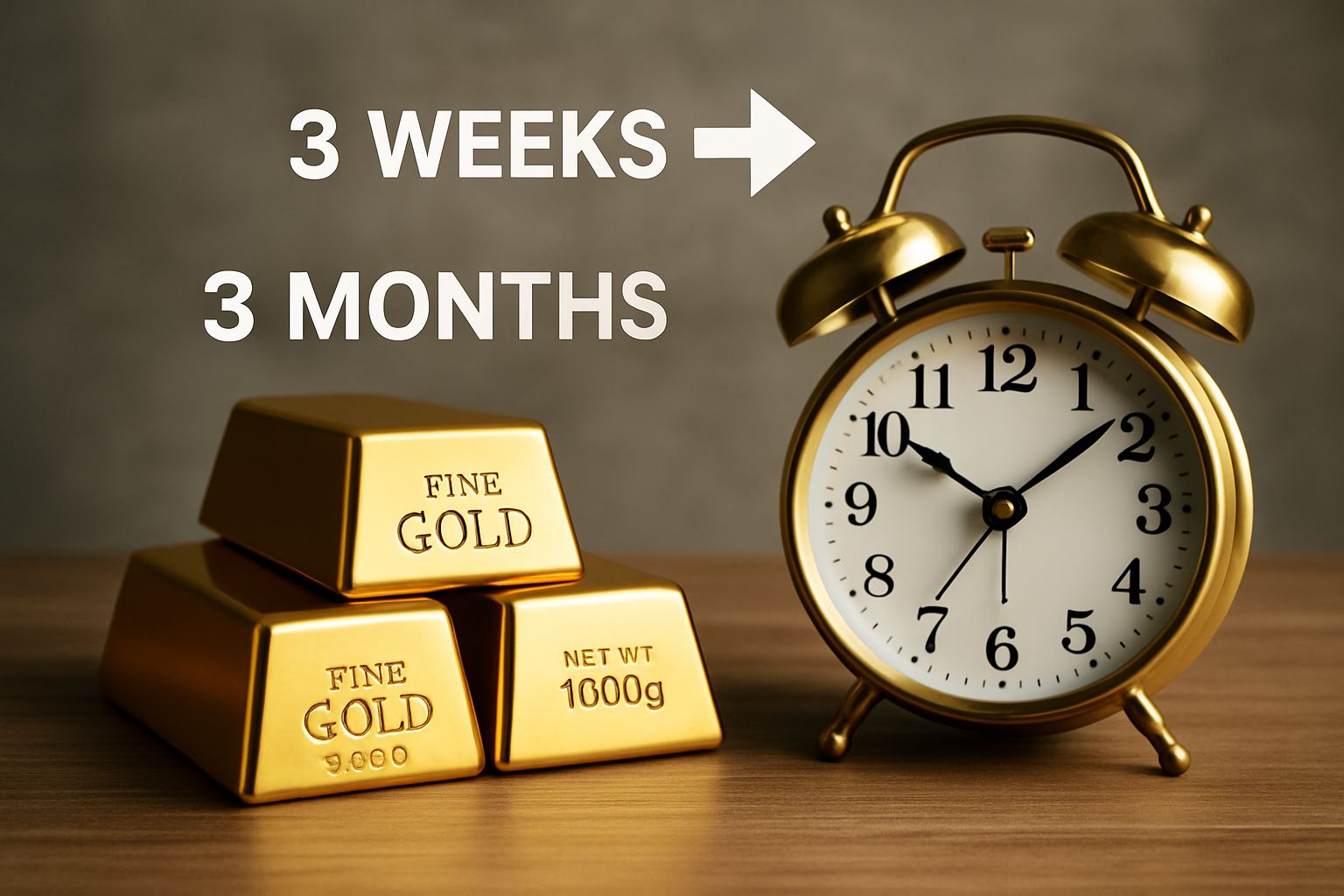
Once transferred, the gold must either be shipped to you (incurring additional costs and security risks) or sold on your behalf. If sold, you'll face the dealer's spread again, often receiving less than market value. The entire process commonly takes 2-4 weeks but can extend longer during periods of high demand or market volatility – precisely when you might most need access to your funds.
One retiree shared his experience: "When I needed to take my required minimum distribution, I discovered it would take nearly a month to liquidate some of my gold holdings. Meanwhile, my traditional IRA distribution took just three business days to reach my bank account. The contrast was stark and incredibly frustrating."
Selling Challenges During Market Downturns
The liquidity problems become particularly acute during economic downturns when many investors simultaneously seek to sell assets. Gold dealers may widen their spreads during volatile periods, meaning you receive even less than the spot price. Additionally, processing times typically increase when dealers face higher volumes of transactions.
Some investors report having to accept prices 15-20% below spot value during stressed market conditions, particularly for specialized gold products or less common forms of bullion. This combination of wider spreads and delayed processing can substantially impact the value you ultimately receive, undermining gold's purported role as a safe haven during economic turmoil.
Tax Complications That Surprise Gold IRA Holders
While Gold IRAs offer the same general tax advantages as traditional retirement accounts, they introduce unique tax considerations that frequently catch investors off guard. Many discover these complications only when filing taxes after taking distributions, leading to unexpected tax bills and compliance headaches.
The IRS classifies gold and other precious metals as collectibles, which can trigger different tax treatment than traditional investments in certain circumstances. For example, if you take physical possession of your gold rather than selling it within the IRA structure, you could face collectibles tax rates up to 28% rather than ordinary income tax rates that apply to traditional IRA distributions.
Required Minimum Distributions (RMDs) present another challenge unique to physical asset IRAs. Since these must be taken in cash value rather than physical metal, portions of your holdings must be liquidated annually once you reach age 73 (for those born between 1951-1959) or 75 (for those born in 1960 or later), potentially forcing sales at inopportune market times and triggering all the associated liquidity challenges.
When Gold IRAs Actually Make Sense
Despite these significant drawbacks, Gold IRAs aren't inherently poor investments for everyone. They can play a meaningful role in certain investment strategies when approached with clear understanding and appropriate expectations. The investors who report satisfaction with their Gold IRAs typically share key characteristics: they've thoroughly researched the fee structures, understand the liquidity limitations, and have incorporated gold as a modest portion of a broader retirement strategy.
These satisfied investors also tend to have longer time horizons and specific concerns about monetary policy or global economic stability that align with gold's historical performance patterns. Rather than viewing gold as a growth investment, they see it as insurance against specific economic scenarios – and importantly, they're willing to pay the premium costs associated with that insurance.
Portfolio Diversification Benefits
Gold's primary benefit in retirement portfolios comes from its historical tendency to move independently of stocks and bonds. This low correlation can help smooth overall portfolio volatility, particularly during periods of market stress when traditional assets may simultaneously decline. During the 2008 financial crisis, for instance, gold prices rose while stock markets plunged, providing valuable portfolio ballast for those with precious metals exposure.
However, this diversification benefit can be achieved through multiple investment vehicles beyond physical Gold IRAs. Gold mining stocks, ETFs, and mutual funds offer similar diversification advantages without many of the drawbacks specific to physical gold ownership. The key insight is that gold's diversification benefit stems from its price movements, not necessarily from physical possession of the metal itself.
Inflation Hedge in Specific Economic Conditions
While frequently marketed as an inflation hedge, gold's record as an inflation fighter is actually more nuanced than many advertising campaigns suggest. Gold has historically performed well during periods of high inflation combined with low interest rates and economic uncertainty – a relatively rare combination of factors. During other inflationary periods, particularly when interest rates rise in response, gold's performance has been mixed at best.
The Right Amount to Allocate to Precious Metals
Financial advisors who recommend gold typically suggest limiting exposure to 5-10% of your overall retirement portfolio. This modest allocation can provide meaningful diversification benefits while limiting the impact of high fees and potential liquidity issues. Those who report satisfaction with their Gold IRAs typically follow this guideline, viewing gold as a portfolio component rather than a centerpiece investment.
Better Alternatives for Most Retirement Investors
For the vast majority of retirement investors, alternatives to physical Gold IRAs offer similar benefits with significantly fewer drawbacks. These options provide exposure to precious metals' price movements without the substantial fees, storage requirements, and liquidity constraints associated with physical ownership.
When examining investor experiences, those who chose these alternatives generally report higher satisfaction with both performance and convenience compared to physical Gold IRA holders. The key difference appears to be the elimination of the substantial friction costs associated with buying, storing, insuring, and eventually selling physical precious metals.
Gold ETFs: Lower Costs, Better Liquidity
Gold Exchange-Traded Funds (ETFs) offer exposure to gold price movements without the substantial operational costs of physical ownership. These funds typically charge expense ratios between 0.25% and 0.40% annually—dramatically lower than the combined fees of Gold IRAs. Popular options like SPDR Gold Shares (GLD) and iShares Gold Trust (IAU) can be purchased in traditional IRAs, providing the same tax advantages without specialized custodian requirements.
The liquidity advantages of ETFs are equally significant. They can be bought or sold throughout the trading day at prices very close to the current value of gold, eliminating the substantial bid-ask spreads and processing delays of physical gold. This liquidity proves particularly valuable during market turbulence when quick access to funds might be necessary. For those concerned about the ETF structure, some funds like SPDR Gold Shares are backed by physical gold held in secure vaults, providing similar asset backing without the individual ownership complications.
Traditional Retirement Investments That Outperform Gold
When examining long-term performance, diversified stock and bond portfolios have consistently outperformed gold over extended periods. While gold has experienced impressive rallies during specific economic conditions, its long-term inflation-adjusted returns lag behind traditional investment portfolios. The S&P 500, for instance, has delivered average annual returns around 10% over the past century, compared to gold's inflation-adjusted returns of roughly 1-2% annually.
This performance gap becomes even more pronounced when considering the additional costs associated with Gold IRAs. The combination of higher fees and lower long-term returns creates a substantial opportunity cost that many investors fail to consider when attracted to gold's perceived safety. For retirement investors with time horizons of 10+ years, traditional retirement accounts invested in diversified portfolios of stocks, bonds, and even some alternative investments like REITs often provide superior risk-adjusted returns compared to concentrated positions in precious metals.
5 Essential Questions to Ask Before Opening a Gold IRA
If you're still considering a Gold IRA despite the potential drawbacks, asking these five critical questions can help determine whether it's truly appropriate for your situation and potentially help you avoid joining the ranks of regretful investors. These questions address the most common sources of dissatisfaction reported by Gold IRA holders and can help establish realistic expectations before committing your retirement funds.
1. What Are the Total Fees and Costs?
Request a comprehensive breakdown of all fees associated with the Gold IRA, including setup fees, annual maintenance costs, storage fees, insurance premiums, and transaction costs. Ask specifically about the markup on gold purchases compared to the spot price and what discount you might face when selling. Calculate these costs over your expected investment horizon to understand their cumulative impact on potential returns.
Be particularly wary of companies that evade direct questions about fees or use vague terminology like "competitive pricing" without providing specific figures. Reputable providers should offer complete transparency about their fee structure before you commit to opening an account. Request this information in writing, and consider having a financial advisor review it before proceeding.
2. How Will I Access My Gold When Needed?
Understand exactly what happens when you need to take distributions, whether for retirement income or to satisfy RMD requirements. Ask about typical processing times, whether physical delivery is an option, and what costs are associated with liquidation. Request details about any minimum distribution amounts and how partial liquidations are handled.
This inquiry should include questions about the process during market disruptions or economic crises—precisely when many investors might want to access their gold. Companies should be able to explain their contingency procedures and provide realistic timeframes for accessing your assets under various market conditions.
3. What's the Company's Reputation and Track Record?
Research the company's history, customer reviews, and complaints filed with the Better Business Bureau, Consumer Financial Protection Bureau, or state regulatory agencies. Look specifically for patterns in complaints related to fees, difficulty accessing funds, or high-pressure sales tactics. Companies with a substantial history of customer complaints should raise immediate red flags.
Beyond regulatory complaints, seek out independent reviews from financial publications and consumer advocacy organizations. Be skeptical of testimonials featured on the company's website, as these are selectively presented and may not represent typical customer experiences. Consider reaching out to financial advisors who might have experience with specific Gold IRA companies to gather unbiased perspectives.
Pay particular attention to the company's longevity in the industry. The precious metals IRA space has seen numerous companies enter and exit, sometimes leaving investors in difficult positions. Companies with 10+ years of stable operations generally demonstrate greater reliability than newer entrants with limited track records.
4. How Does This Fit Into My Overall Retirement Strategy?
Consider how a Gold IRA aligns with your broader retirement goals, timeline, and risk tolerance. Calculate what percentage of your total retirement assets would be allocated to precious metals and whether this matches appropriate diversification guidelines. Ask yourself whether your interest stems from a thoughtful asset allocation strategy or from fears about the economy or markets that might be better addressed through other means.
Consulting with a fee-only financial advisor who doesn't sell Gold IRAs can provide valuable perspective on whether precious metals make sense in your particular situation. These advisors can help evaluate whether your concerns about inflation or economic instability might be addressed through other investment vehicles with lower costs and better liquidity.
5. Am I Being Pressured by Fear-Based Marketing?
Reflect honestly on whether your interest in a Gold IRA stems from rational investment analysis or emotional responses to marketing messages emphasizing economic collapse, currency devaluation, or other fear-inducing scenarios. Gold IRA advertising frequently employs apocalyptic economic predictions and appeals to fear rather than balanced consideration of investment fundamentals. If you're feeling rushed to make a decision due to "limited time offers" or predictions of imminent economic disaster, this pressure should itself be a warning sign.
Consider whether the Gold IRA provider emphasizes balanced education about both advantages and limitations of precious metals investing, or whether their materials focus exclusively on potential benefits while minimizing discussions of costs and risks. Reputable financial companies typically present both sides of investment decisions rather than portraying any single investment as a universal solution to economic concerns.
Make a Smarter Decision About Gold IRAs
For most retirement investors, the drawbacks of Gold IRAs—high fees, liquidity challenges, and tax complications—outweigh their potential benefits. The same exposure to precious metals can typically be achieved through lower-cost vehicles like ETFs, while traditional diversified investment portfolios have demonstrated superior long-term performance for retirement goals. Before committing to a Gold IRA, ensure you fully understand all associated costs and limitations, and consider whether your objectives might be better served through alternative investment approaches.
If diversification and inflation protection are your primary concerns, consider speaking with a fiduciary financial advisor about balanced approaches that might include limited exposure to precious metals alongside core retirement investments. Remember that gold can play a role in a diversified portfolio without necessarily requiring the specialized structure and high costs of a physical Gold IRA. By making decisions based on comprehensive information rather than fear or marketing pressure, you can avoid joining the growing ranks of investors who ultimately regret their Gold IRA decisions.
Frequently Asked Questions
Gold IRAs generate numerous questions from potential investors. Below are answers to the most common inquiries, addressing both practical considerations and strategic questions that every investor should consider before opening a precious metals IRA.
- What kinds of precious metals can be held in a Gold IRA?
- How is the gold physically stored and protected?
- What are the minimum investment requirements?
- Can I see or visit my gold in storage?
- How does the IRS regulate Gold IRAs?
These questions merely scratch the surface of what prospective investors should understand. The complexity of Gold IRAs compared to traditional retirement accounts means that thorough research and professional guidance are particularly important before making investment decisions.
Many investor regrets stem from unrealistic expectations about returns, costs, or access to funds. By thoroughly addressing these frequently asked questions, investors can develop more realistic expectations and make more informed decisions about whether Gold IRAs align with their retirement objectives.
The most satisfied Gold IRA investors are typically those who entered with clear understanding of both benefits and limitations, allocated an appropriate portion of their portfolio to precious metals, and worked with reputable companies that provided transparent information throughout the process.
What exactly is a Gold IRA and how does it differ from a regular IRA?
A Gold IRA is a self-directed Individual Retirement Account that holds physical precious metals instead of traditional paper assets like stocks and bonds. While it offers the same tax advantages as conventional IRAs (tax-deferred growth for traditional IRAs or tax-free growth for Roth versions), Gold IRAs require specialized custodians approved by the IRS to handle the unique requirements of physical asset storage. They also have additional regulations regarding the purity standards of acceptable metals (generally 99.5% pure for gold) and approved storage facilities, making them significantly more complex to establish and maintain than standard IRAs invested in financial securities.
How much of my retirement portfolio should I consider allocating to gold?
Most financial advisors recommend limiting precious metals exposure to 5-10% of your overall retirement portfolio. This modest allocation can provide meaningful diversification benefits while minimizing the impact of the higher costs associated with Gold IRAs. Allocations significantly above this range may introduce unnecessary expense drag and liquidity constraints that can compromise overall retirement outcomes, particularly for investors within 10-15 years of retirement who may soon need access to their funds for living expenses.
Can I roll over my existing 401(k) or IRA into a Gold IRA?
Yes, existing retirement accounts like 401(k)s, 403(b)s, 457 plans, and traditional IRAs can typically be rolled over into a Gold IRA without triggering tax consequences, provided the transaction follows proper IRS guidelines for direct transfers between custodians. However, this process requires careful coordination between your current retirement plan administrator and your new Gold IRA custodian to ensure proper handling and documentation. Some employer-sponsored retirement plans may have restrictions on in-service rollovers (transfers while still employed), so check your plan's specific rules before proceeding with any transfer arrangements.
What happens when I need to take required minimum distributions (RMDs) from a Gold IRA?
Required Minimum Distributions from Gold IRAs must be satisfied with cash distributions rather than physical gold, meaning a portion of your precious metals holdings must be liquidated annually once you reach the applicable RMD age. This liquidation process typically takes longer than distributions from traditional IRAs and introduces potential timing challenges, especially if gold prices are depressed when your distribution is required.
The custodian must arrange for the physical gold to be sold, the proceeds transferred to your account, and then distributed to you—a process that can take several weeks and involves transaction costs that further reduce the net value of your distribution. Planning ahead for these distributions is essential, as penalties for missed or insufficient RMDs remain the same as with traditional IRAs: 25% of the amount that should have been distributed.
Are there legitimate Gold IRA companies that don't charge excessive fees?
While all Gold IRAs involve higher costs than traditional retirement accounts due to the inherent expenses of physical asset storage and handling, some companies offer more transparent and reasonable fee structures than others. Look for providers that clearly disclose all fees upfront, maintain reasonable markups on precious metals (typically 5-7% rather than 10-15% or higher), and don't pressure you to purchase "premium" or "collector" coins that carry significantly higher markups than standard bullion products.
Companies with longer track records (10+ years) and strong Better Business Bureau ratings generally provide more reliable service and reasonable cost structures. Consider requesting fee schedules from multiple providers and comparing them carefully before making a decision. Remember that even the most reputable Gold IRA companies must charge substantially more than traditional IRA custodians due to the inherent costs of physical precious metals.